Low Impact Cardio: Elliptical, Bike, Rower and Walking
Compare low impact cardio options like walking, elliptical, stationary bike, rowing and swimming. Learn safe machine setup, session structure and weekly mixing.
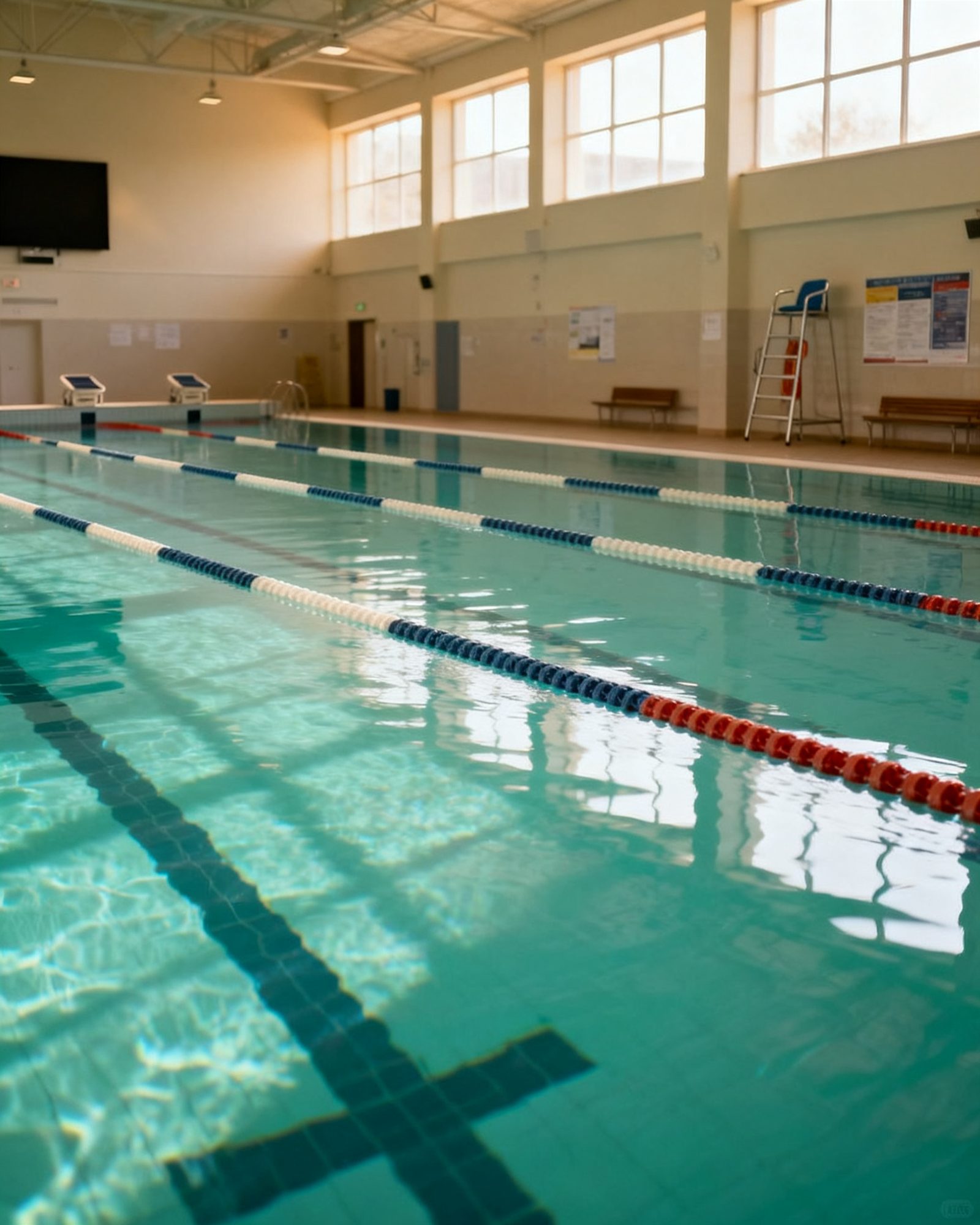
Low impact cardio is any continuous activity that raises your heart and breathing rate without the repeated pounding of running or jumping. The feet stay in contact with the ground or pedals, or the body is supported by water, so the joints meet less jarring force. Walking, the elliptical, stationary bike, rowing machine, swimming and water aerobics all count. They build aerobic fitness, and the guidelines describe regular activity as one of the most important things people can do for their health, helping people feel better, sleep better and reduce feelings of anxiety in the short term.
What low impact actually means
Low impact is about force through the joints, not about effort. You can work very hard on a rower or an elliptical and still be low impact. You can also stroll gently and be low impact. The two questions are separate: how much pounding the activity involves, and how hard you are breathing.
For most beginners, the aim is moderate intensity: breathing faster and your heart beating faster, so you can talk but not sing. That is the talk test. The CDC also gives heart rate targets: moderate intensity is about 64% to 76% of your estimated maximum heart rate, which is 220 minus your age. For a 50-year-old, that is an estimated maximum of 170 beats per minute and a moderate range of about 109 to 129 bpm. The full picture, including the Borg scale where 12 to 14 suggests moderate effort, is in how hard should cardio feel.
The options compared
| Activity | Impact level | What it works | Good to know |
|---|---|---|---|
| Walking (flat) | Low | Legs, hips, heart and lungs | Easiest to start; brisk walking at 2.5 mph or faster is moderate intensity |
| Incline walking | Low | Legs, hips, glutes, heart and lungs | Harder than flat walking without extra speed; hold the rails lightly if needed |
| Elliptical | Low | Legs, hips, arms if you use the handles | Feet stay on pedals; no pounding; resistance and incline adjust the effort |
| Stationary bike | Low | Legs, heart and lungs | Seat height matters; resistance control lets you set your own pace |
| Rowing machine | Low | Legs, back, core, arms | Technique first; the drive is legs, then body, then arms |
| Swimming laps | Low (water supports you) | Whole body, heart and lungs | CDC lists swimming laps as vigorous activity; start with short repeats |
| Water aerobics | Low | Whole body, heart and lungs | CDC lists water aerobics as moderate activity; often done to music in waist- or chest-deep water |
A treadmill is not on the list because running is higher impact, but walking on a treadmill is low impact. If you are choosing between an elliptical and a treadmill, the elliptical removes the foot-strike pounding while still letting you push the pace. Walking on a treadmill at an incline is a middle ground.
Setting up each machine safely
Elliptical
Step on with the pedals still or moving slowly, holding the fixed handles. Stand tall, soften the knees and keep the feet flat on the pedals. Start with little or no resistance for a few minutes, then add resistance or incline until you can talk but not sing. Use the moving handles only when your balance feels secure; otherwise hold the fixed rails. Step off only when the pedals have slowed.
Stationary bike
Set the saddle so the knee keeps a slight bend at the bottom of the pedal stroke. If the hip rocks or the knee locks straight, adjust the height. Start with light resistance and a comfortable cadence, then add resistance rather than spinning faster and faster. Keep the hands light on the bars and the shoulders relaxed.
Rowing machine
Sit tall with the feet strapped at the ball of the foot. The stroke has two parts. The drive: push with the legs first, then swing the body back slightly, then pull the handle to the lower ribs. The recovery: arms away, body forward, then bend the knees. Keep the back long rather than rounded, and breathe out on the drive. A common beginner habit is pulling with the arms first; think legs, body, arms on the drive and arms, body, legs on the recovery.
Walking and incline walking
Walk tall, look ahead and let the arms swing. To make walking count as exercise, aim for brisk: 2.5 mph or faster is the CDC’s moderate-intensity example. On a treadmill, a small incline adds effort without speed. More on pace, posture and building time is in walking for fitness.
Swimming and water aerobics
The water supports part of your body’s weight, which reduces the load on the joints, and its resistance makes movement work the muscles. Swim where a lifeguard is on duty and not alone. Shower before you swim and try not to swallow pool water. For strokes, pool etiquette and short repeat sets, see swimming for fitness.
Building a session
Every session has the same shape: warm up, work, cool down. ACSM recommends warming up for at least 5 to 10 minutes at light to moderate intensity and cooling down for at least 5 to 10 minutes afterwards.
A simple beginner session:
- 5 to 10 minutes easy warm-up on the same machine or a walk.
- 10 to 20 minutes at moderate intensity, using the talk test.
- 5 to 10 minutes easy cool-down, then a few gentle stretches for the legs, hips and back.
As the weeks pass, add a few minutes to the middle block before adding intensity. The US Physical Activity Guidelines say inactive people should start below their limit and build up over weeks and months.
Mixing low impact cardio through the week
The adult guideline is at least 150 to 300 minutes a week of moderate-intensity aerobic activity, or 75 to 150 minutes a week of vigorous activity, or a combination. One way to reach 150 minutes is 30 minutes a day, 5 days a week. Activity of any length counts toward the weekly total, so short sessions are fine.
A sample week using only low impact options:
| Day | Session |
|---|---|
| Monday | 30 minutes brisk walking |
| Tuesday | 25 minutes stationary bike |
| Wednesday | 20 minutes elliptical |
| Thursday | 30 minutes walking, some of it on an incline |
| Friday | 20 minutes rowing machine with technique breaks |
| Weekend | A swim or water aerobics class, or a longer walk |
With the weekend session added, that reaches 150 minutes or more, with variety for the muscles and the mind. Keep at least one easier day. If you also lift weights, the weights floor has its own setup rules; see how to use gym machines for the strength side of the week.
What goes wrong, and how to avoid it
- Going too hard too soon. The most common beginner mistake is starting at the pace of a regular. Start below your limit and add time first.
- Holding the elliptical rails and slumping. If you are hanging on the handles, the resistance or incline is probably too high. Lower it and stand tall.
- Saddle too low on the bike. A knee that stays sharply bent through the stroke makes pedalling awkward and can feel uncomfortable. Raise the saddle until the knee has a slight bend at the bottom.
- Rowing with the arms first. This tires the arms quickly and makes it harder to keep the back long. Push with the legs, then swing, then pull.
- Confusing soreness with pain. Delayed onset muscle soreness usually begins 12 to 24 hours after unfamiliar exercise and is often worst 24 to 72 hours afterwards, then eases. Sharp or sudden pain, pain in a joint, swelling, or pain that does not ease is not normal soreness: stop and talk to a doctor or physiotherapist.
- Ignoring warning signs. Stop exercising and seek medical help for chest pain or pressure, fainting, severe breathlessness or dizziness.
- Skipping the warm-up and cool-down. They are part of the session, not optional extras.
If you have joint pain or a health condition
Low impact does not mean no risk. If you have a known heart, metabolic or kidney condition, symptoms such as chest pain, unusual breathlessness or dizziness, or you are pregnant, injured or unsure, talk to your doctor before starting a new exercise programme. Questionnaires such as the PAR-Q+ help people decide whether to check with a doctor first. If knee, hip or back pain is the reason you are looking for cardio for bad knees, ask your doctor or physiotherapist what is right for you; this page gives no programme for those situations. Pregnant women should talk with their health care provider about how much and what kinds of activity are right for them.
Making it easier or harder
To make any of these easier: shorten the session, lower the resistance or incline, slow the pace, or split the time into shorter pieces. To make it harder: add a few minutes first, then add resistance or incline, then add pace. On the rower, add time before you add stroke rate. On the bike, add resistance before you add speed. On foot, add incline before you add speed. Changing one thing at a time is gentler on your joints and your confidence.
Common questions
Is the elliptical better than the treadmill for bad knees?
The elliptical keeps your feet on pedals, so there is no foot-strike pounding, which many people with sensitive knees prefer. Walking on a treadmill is also low impact and is easier to start with. If you have knee pain, ask your doctor or physiotherapist which option suits you.
How do I use a rowing machine without hurting my back?
Sit tall and drive with your legs first, then swing your body back slightly, then pull the handle to your lower ribs. On the return, send your arms away, lean forward, then bend your knees. Keep the back long rather than rounded, and start with short, easy pieces.
How long should a low impact cardio session be?
Start with a short block at moderate intensity inside a session that includes a 5 to 10 minute warm-up and a 5 to 10 minute cool-down. Add a few minutes each week. The adult guideline is at least 150 to 300 minutes of moderate activity a week, and activity of any length counts.
Can swimming count as low impact cardio?
Yes. The water supports part of your body's weight, which reduces the load on the joints, and its resistance makes movement work the muscles. The CDC lists swimming laps as vigorous activity and water aerobics as moderate activity. Swim where a lifeguard is on duty and not alone.
What if I have a health condition or I am pregnant?
Talk to your doctor before starting or changing exercise. If you have a known heart, metabolic or kidney condition, symptoms such as chest pain or dizziness, or you are pregnant, injured or unsure, your doctor can tell you what is safe. Stop and seek medical help for chest pain, fainting, severe breathlessness or dizziness.
Read next
Water Aerobics for Beginners: What to Expect in the Pool
Water aerobics is a moderate-intensity class in the pool. Learn what happens, what to wear, how it feels, and how to start with confidence.
Moderate Intensity Exercise: Talk Test and Heart Rate Zones
How hard cardio should feel: the talk test, the Borg exertion scale and CDC target heart rate ranges for moderate and vigorous exercise.
How Much Exercise Do You Need? Guidelines in Plain Words
The US and NHS activity guidelines in plain words: how many minutes a week, how hard, how to count any activity, and how to build up from little or nothing.