Gym Anxiety: How to Feel at Ease as a Beginner
Nervous about the gym? Practical ways to feel calmer as a beginner: quieter times, a simple plan, inductions, headphones, and what to do if anxiety feels heavy.
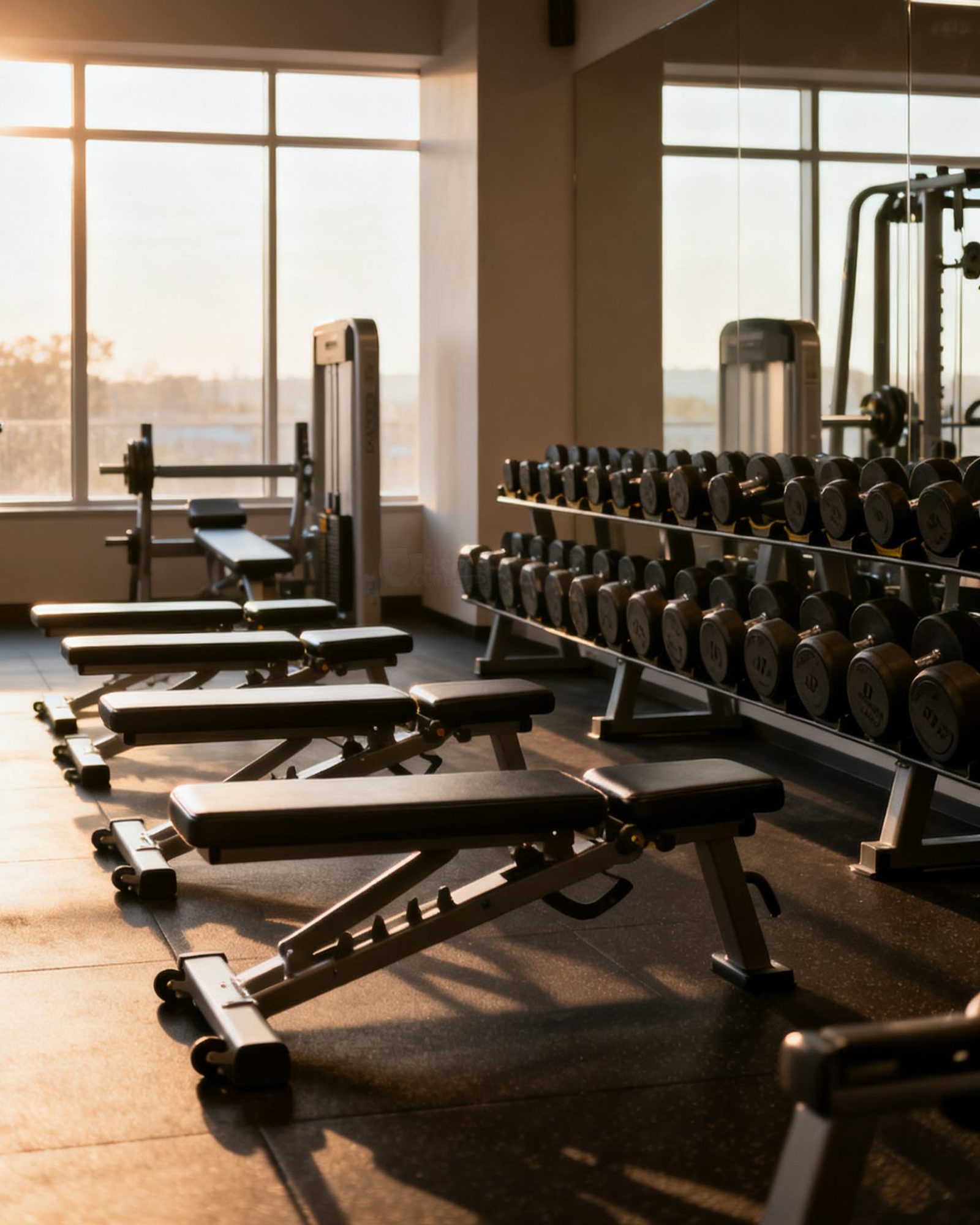
Gym anxiety is the nervous, self-conscious feeling many people get before or during a visit to a gym, especially the first few times. It is common, it is not a sign that you are doing something wrong, and it usually eases once the place becomes familiar. The practical fixes are simple: go at a quieter time, bring a short written plan, start in an area or class you understand, and remember that most people there are thinking about their own session, not watching you.
Why a new gym feels intimidating
A gym is a new space with its own layout, sounds and habits. You may not know where the changing rooms are, which machines do what, or whether you are allowed to stand somewhere. Add mirrors, music and people who look like they know what they are doing, and it is easy to feel watched.
That feeling is not a character flaw. It is what happens when anyone walks into an unfamiliar place with unfamiliar rules. The good news is that familiarity builds quickly. A few visits, a plan and a bit of knowledge about how the place works take most of the edge off.
What actually helps on the first visits
Go at a quieter time
Ask the staff when the gym is quietest. Many gyms have calm windows in the middle of the day or later in the evening. A quieter room means less waiting for equipment and less background noise, which makes it easier to think and to look around without feeling in the way.
Bring a short written plan
A plan of three or four exercises on a card or phone note gives you something to do next. It stops the aimless standing that feeds self-consciousness. A simple plan might be a warm-up, a few strength exercises and a cool-down. If you are not sure what to include, ask at the front desk or book an induction.
Start where you feel competent
You do not have to use every part of the gym on day one. Pick one area: the treadmills, the mats, the resistance machines, or a class. Staying in one familiar corner for the first few visits is a sensible way to build confidence before exploring more.
Use an induction or a trainer session
Many gyms offer an induction that shows you the layout, the emergency procedures and how the machines work. A session with a personal trainer can do the same in more detail. In the US, personal trainers are not licensed by the state, so ask about a current certification from an accredited organization and about first aid and CPR training. A good trainer will show you how to set up a machine and how to adjust the load, not just tell you to try it.
Go with a friend, or use headphones
Company helps. A friend who has been before can show you where things are and make the room feel smaller. If you are going alone, headphones are a practical tool: they signal that you are focused and make the background noise less distracting. You do not have to talk to anyone beyond a polite nod.
Remember that most people are focused on themselves
People in a gym are usually counting repetitions, watching their own form or getting through their own session. They are not keeping a file on you. If you catch someone looking, it is usually a glance at a machine or at the clock, not a judgment.
A first-visit checklist
| What to sort out | Why it helps |
|---|---|
| Quiet time | Fewer people, less waiting, a calmer room |
| Written plan | Gives you a next step and a reason to be there |
| Induction or trainer | Shows you the layout and how the machines work |
| One familiar area | Builds confidence before you explore |
| Headphones | Reduces noise and signals focus |
| A friend, if possible | Makes the space feel smaller |
| Staff names | Gives you someone to ask |
Going to the gym alone as a woman
Going alone is a normal way to train, and many women do it. A few practical habits make it easier:
- Tell someone where you are going and when you expect to be back.
- Choose a gym where the staff are visible and the changing rooms feel safe to you. Ask to see them before you join.
- If someone’s attention is unwanted, you do not have to be polite about it. Move away, tell a member of staff, and use whatever reporting process the gym has. A good gym takes this seriously.
- Keep your bag with you or use a locker, and keep your phone where you can reach it.
None of this is about expecting trouble. It is about removing small worries so you can get on with your session.
Making the first week calmer
A first week has a rhythm: find the entrance, learn the changing rooms, work out where the water fountain is, and do a short session or two. You do not need to do everything at once. A calm plan for the first few visits, with one goal per visit, is often more useful than a long workout you dread. For a step-by-step schedule, see your first week at the gym: a calm plan for beginners.
Knowing the small unwritten rules also helps, because most anxiety comes from not knowing what is expected. Rack the weights, wipe the machine, do not hog equipment during busy times, and ask before jumping in on a set. These are covered in gym etiquette: the unwritten rules every beginner should know.
If a class feels easier than the gym floor
Some people feel calmer in a class because the instructor leads and everyone is doing the same thing. You do not have to decide what to do next, and the group setting can make you feel less visible, not more. Classes range from gentle to demanding, so pick one that matches your starting point. A beginner-friendly yoga, Pilates or aqua aerobics class is a common first step. Group fitness classes explained: which class suits you? walks through the common formats.
If the gym itself feels too much right now, training at home is a real option, not a failure. A short bodyweight session in your own space builds the same habits and confidence. Home workouts for beginners: no gym, no problem covers how to start.
What goes wrong, and how to avoid it
Doing too much on the first visit
A long, hard first session can leave you sore and discouraged. Start below your limit and build up over weeks. Soreness after unfamiliar exercise is normal and usually eases, but sharp pain, joint pain or pain that does not settle is not normal soreness: stop and talk to a doctor or physiotherapist.
Comparing yourself to the wrong person
The person lifting heavy weights may have trained for years. Your only useful comparison is with your own last session. Correct form and a full, controlled range of motion come before adding weight.
Believing everyone is watching
Most people are not. If self-consciousness is the main barrier, a quieter time, a plan and headphones do more than trying to talk yourself out of it.
Ignoring severe anxiety
Nerves before a new place are normal. Anxiety that is severe, stops you doing everyday things, or does not settle over time is worth discussing with a doctor. Exercise is described by the US Physical Activity Guidelines as one of the most important things people can do for their health, and in the short term it can help people feel better and sleep better, but it is not a treatment for an anxiety condition. If you are pregnant, postpartum, injured or managing a health condition, talk to your doctor before starting or changing exercise.
Skipping the warm-up and cool-down
Warm up for at least 5 to 10 minutes at light to moderate intensity before a session, and cool down for at least 5 to 10 minutes afterwards. This is part of the session, not an optional extra, and it gives you a gentle start when you are nervous.
Forgetting to ask
Staff would rather answer a question than watch someone struggle with a machine. Asking is normal, and it is what the induction is for.
A short breathing and pacing habit
When nerves are high, slow the pace. Choose a machine you know, set an easy level, and stay there for a few minutes. Breathe out during the effort and in during the return on strength exercises, and do not hold your breath. A calm, easy start is a legitimate session. Some physical activity is better than none, and activity of any length counts toward the weekly total.
When to talk to a doctor
Talk to your doctor before starting or changing exercise if you have a known heart, metabolic or kidney condition, if you have chest pain, unusual breathlessness or dizziness, or if you are pregnant, postpartum, injured or unsure. Stop exercising and seek medical help for chest pain or pressure, fainting, severe breathlessness or dizziness. If anxiety is severe or affecting daily life, talk to your doctor as well.
Common questions
Why am I so nervous to go to the gym?
A gym is an unfamiliar place with its own layout, sounds and habits, so feeling nervous is a normal response to novelty. It is not a sign that you do not belong. Familiarity builds quickly with a few visits, a short plan and a quiet time of day.
How do I get over gym intimidation as a beginner?
Start with one area you understand, such as the treadmills or the mats, and bring a written plan of a few exercises. Ask about an induction or a session with a trainer, go at a quieter time, and use headphones if background noise adds to the stress. Confidence usually follows a few calm visits.
Is it OK to go to the gym alone as a woman?
Yes. Many women train alone. Tell someone where you are going, choose a gym where staff are visible and the changing rooms feel safe to you, and tell staff if someone's attention is unwanted. You do not have to be polite about unwanted attention.
What should I do on my first time at the gym if I feel nervous?
Keep it short and simple. Warm up for at least 5 to 10 minutes at an easy pace, do a few exercises you have planned, and cool down for at least 5 to 10 minutes. Ask staff where things are. You do not need to use every machine on day one.
When should I talk to a doctor about gym anxiety?
If anxiety is severe, stops you doing everyday things, or does not settle over time, talk to your doctor. Also talk to your doctor before starting or changing exercise if you are pregnant, postpartum, injured, or have a heart, metabolic or kidney condition or symptoms such as chest pain, unusual breathlessness or dizziness.
Read next
How to Choose a Gym: What to Check Before You Join
A practical guide to choosing a gym: what to check on a tour, questions to ask, how to read a membership contract, and how to compare gym types without pressure.
Gym Etiquette for Beginners: The Unwritten Rules
New to the gym? Learn the unwritten rules of gym etiquette, from wiping equipment to sharing machines, so you feel confident and respectful on every visit.
First Time at the Gym: A Calm Beginner's Plan for Week One
A calm, step-by-step plan for your first week at the gym: the tour, a simple first workout, how many visits, what soreness is normal, and when to ask for help.