How to Choose a Gym: What to Check Before You Join
A practical guide to choosing a gym: what to check on a tour, questions to ask, how to read a membership contract, and how to compare gym types without pressure.
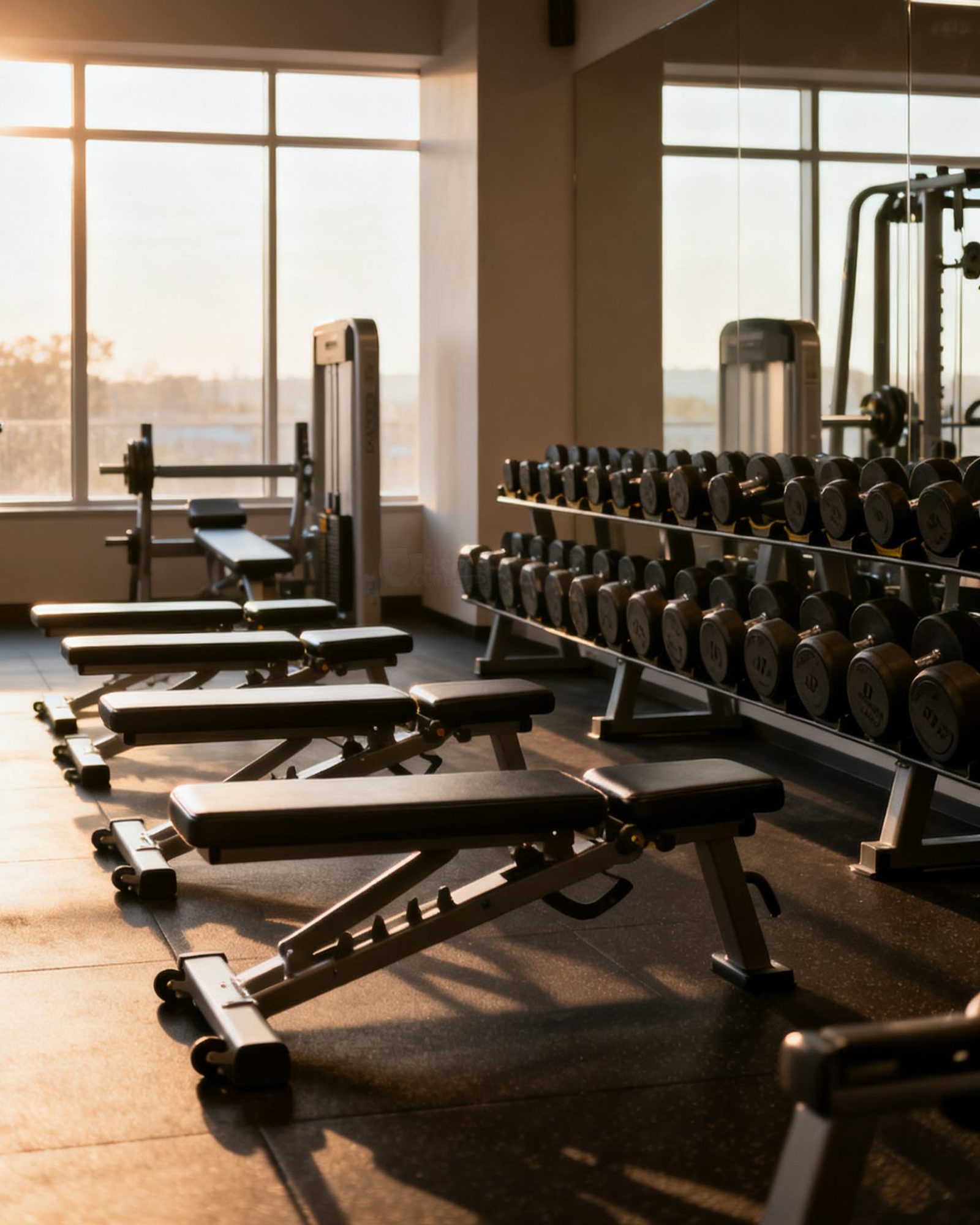
Choosing a gym comes down to three things: whether you will actually go, whether the place suits how you like to move, and whether the membership terms are clear and fair. A good gym is not the biggest or the busiest one. It is the one that fits your routine, your comfort level and your budget, with staff who answer questions plainly. This guide walks through what to look at on a tour, what to ask, how to read the contract, and how to compare different kinds of gyms so you can decide with confidence.
Start with when you would go, not what the gym looks like
Before you visit anywhere, write down the days and times you could realistically exercise. For most people that means early mornings, lunchtimes or evenings after work, plus one weekend slot. The gym that looks calm at 2 p.m. on a Tuesday may be packed at 6 p.m. on a Monday. Ask each place how busy it is at your times, and if possible visit then. A gym that is convenient and not overwhelming at your usual hour is more useful than one with more equipment you will never use.
What to look at on a tour
A tour is your chance to see the place as it really is. Bring a short list and take notes. You do not need to remember everything.
Equipment and layout
- Are there enough cardio machines for the crowd at your times, or do people queue?
- Is there a free-weights area and a machines area, and are both open to all members?
- Is the equipment clean and in working order? Look for out-of-order signs and worn cables.
- Is there space to move, stretch or do floor exercises?
- Are there mats, benches, bands and light dumbbells available without booking?
Cleanliness and changing rooms
- Are the changing rooms, showers and toilets clean and well stocked?
- Are there lockers, and do they need your own padlock or a coin?
- Are there private changing areas if you prefer them?
- Is there a policy on wiping down equipment after use?
Classes, pool and extras
- Is there a class timetable, and are classes included or extra?
- If you want to swim, is there a pool, and what are the lane-swim times?
- Is there child care, and what are the hours and rules?
- Is there a women-only area or women-only session times? Ask directly if this matters to you.
Accessibility and staff
- Is the entrance step-free, and are there lifts and accessible changing rooms?
- Are staff on the floor, and do they seem approachable?
- Is there a clear induction or orientation for new members?
Questions to ask when joining a gym
Ask these on the tour or by email so you have answers in writing. A good gym will not mind.
- What are the busiest times, and is there a quieter period?
- Is an induction included, and what does it cover?
- Are classes included in the membership, or do they cost extra?
- Can you try the gym before joining, and is there a trial pass?
- What is the cancellation notice period, and how do you cancel?
- Can you freeze the membership, and is there a fee?
- Are there joining fees or admin fees?
- Does the contract renew automatically?
- What happens if you move away or become unable to use the gym?
- Is there a women-only area or session, and when?
Try before you join
A trial visit or day pass is the best way to test a gym. Go at the time you would normally attend. Use the changing rooms, try a class if one is running, and see how you feel. Notice whether you can find the equipment you need, whether the atmosphere feels comfortable, and whether staff are helpful. One visit will tell you more than any brochure. If a gym does not offer a trial, ask whether you can pay for a single visit instead.
Comparing gym types
Different kinds of gym suit different people. The table below compares common options in general terms. No single type is best; the right one depends on your routine and what you want to do.
| Gym type | What it usually offers | Good for | Watch out for |
|---|---|---|---|
| Large gym | Wide range of machines, free weights, classes, sometimes a pool | People who want variety and long opening hours | Can be busy at peak times; may feel overwhelming at first |
| Small studio | Fewer machines, more focus on classes or personal training | People who prefer a quieter, guided setting | Limited equipment; class times may be fewer |
| Community or leisure centre | Pool, classes, family facilities, sometimes lower prices | Swimmers, families, people who want a pool and classes in one place | Equipment may be older; opening hours can be shorter |
| Budget gym | Basic equipment, low monthly cost, often open long hours | People who want a simple, low-cost place to train | Fewer staff, fewer classes, fewer extras |
Women-only areas and sessions
Some gyms offer a women-only room or set times when the gym is women-only. These can help if you feel self-conscious at first. Ask whether the area is included in your membership, what equipment it has, and whether it is staffed. If a gym does not offer this, ask about quieter times instead. Feeling comfortable matters more than any single feature.
Reading a gym membership contract
A membership is a contract. Read it before you sign, and ask for a copy to take away. Look for these terms in plain words:
- Minimum term: how long you are committed for. Some contracts have a minimum number of months.
- Cancellation terms: how much notice you must give, and how to cancel. Notice is often a set number of days or weeks. Put it in writing and keep a copy.
- Automatic renewal: whether the contract renews on its own at the end of the term, and how to stop it.
- Joining fee or admin fee: one-off charges on top of the monthly fee.
- Freeze policy: whether you can pause the membership, for how long, and at what cost.
- Price increases: whether the monthly fee can go up during your term, and how much notice you get.
- Early exit: what happens if you need to leave early, for example if you move or have a health issue.
If any term is unclear, ask staff to explain it and show you where it is in the contract. Do not rely on a verbal promise. A reputable gym will put important terms in writing.
A gym tour checklist
Use this checklist on each visit. Tick what matters to you.
- Visited at the time you would normally go
- Equipment you want is available and working
- Changing rooms and showers are clean
- Lockers are available and you know what they need
- Class timetable fits your schedule
- Pool has lane-swim times that suit you (if relevant)
- Women-only area or session available (if wanted)
- Child care hours work for you (if relevant)
- Entrance and facilities are accessible
- Staff are approachable and answered your questions
- Induction or orientation is included
- Trial visit or day pass was offered
- Contract terms are clear, including cancellation and renewal
- You have a copy of the contract to read at home
What goes wrong, and how to avoid it
Signing on the first visit without reading the contract. It is easy to feel pressured. Take the contract home, read the cancellation and renewal terms, and ask about anything unclear. You can always come back.
Choosing a gym that is hard to reach. A gym that adds a long trip each way is one you may skip. Pick somewhere on your normal route or close to home or work.
Ignoring how busy it is at your times. A gym that is packed when you can go may mean waiting for equipment or feeling rushed. Visit at your usual time or ask staff.
Assuming classes are included. Some memberships include classes; others charge extra. Check before you join if classes matter to you.
Not asking about women-only areas. If you feel more comfortable in a women-only space, ask. It is a reasonable question and staff are used to it.
Forgetting to ask about freezing. Life changes. Ask whether you can pause the membership if you travel, recover from an injury or have a busy period.
Warning signs: avoid any gym that will not show you the contract before you sign, will not put terms in writing, or pressures you to decide on the spot. A good gym gives you time and clear information.
Making the first visit easier
Once you have chosen a gym, the first few visits can still feel daunting. A plan helps. The guide to your first week at the gym walks through a calm start, including what to bring and how to use the changing rooms. If you are unsure about classes, group fitness classes explained describes common class types so you can pick one that suits you. If the gym has a pool, swimming for fitness covers lane swimming and pool etiquette for beginners. And if you are thinking about one-to-one coaching, working with a personal trainer explains what to expect and what to ask.
A note on health and starting out
If you have a heart, metabolic or kidney condition, are pregnant, injured or unsure about exercise, talk to your doctor before starting. Stop and seek medical advice if you feel chest pain, faint, become severely breathless or dizzy during exercise. For most healthy adults, the US Physical Activity Guidelines recommend at least 150 to 300 minutes a week of moderate-intensity aerobic activity and muscle-strengthening activities on 2 or more days a week. A gym is one place to do that, but any activity counts, and some is better than none.
Common questions
What should I look for when choosing a gym?
Look for a gym that is convenient, clean and not too busy at the times you would go. Check that it has the equipment or classes you want, that staff are approachable, and that the contract terms are clear. A trial visit at your usual time tells you more than any brochure.
What questions should I ask when joining a gym?
Ask about busiest times, whether an induction is included, if classes cost extra, and whether there is a trial pass. Also ask about the cancellation notice period, joining fees, automatic renewal and whether you can freeze the membership. Get important answers in writing.
How do I read a gym membership contract?
Check the minimum term, how much notice you must give to cancel, and whether the contract renews automatically. Look for joining or admin fees, the freeze policy and any price increases. If a term is unclear, ask staff to explain it and show you where it is written. Take a copy home before signing.
Are women-only gyms or sessions a good idea?
They can help if you feel self-conscious at first. Ask whether a women-only area or session is included in the membership, what equipment it has and when it runs. If a gym does not offer one, ask about quieter times instead. Comfort matters more than any single feature.
What if I join a gym and then want to cancel?
Follow the cancellation terms in your contract. Notice is often a set number of days or weeks, and you may need to cancel in writing. Keep a copy of your cancellation request. If you are within a minimum term, ask about early exit options or freezing the membership instead.
Read next
Gym Anxiety: How to Feel at Ease as a Beginner
Nervous about the gym? Practical ways to feel calmer as a beginner: quieter times, a simple plan, inductions, headphones, and what to do if anxiety feels heavy.
Gym Etiquette for Beginners: The Unwritten Rules
New to the gym? Learn the unwritten rules of gym etiquette, from wiping equipment to sharing machines, so you feel confident and respectful on every visit.
First Time at the Gym: A Calm Beginner's Plan for Week One
A calm, step-by-step plan for your first week at the gym: the tour, a simple first workout, how many visits, what soreness is normal, and when to ask for help.